Role of Imaging and Biopsy in Bone Tumour Diagnosis

Understanding Bone Cancer

Bone cancer is a rare but serious disease that originates in the bones and can affect individuals of any age. Early understanding of bone cancer is critical, as timely diagnosis significantly improves treatment success and survival rates. The early symptoms are often subtle and may resemble common orthopedic problems, which is why awareness and early medical evaluation are essential.

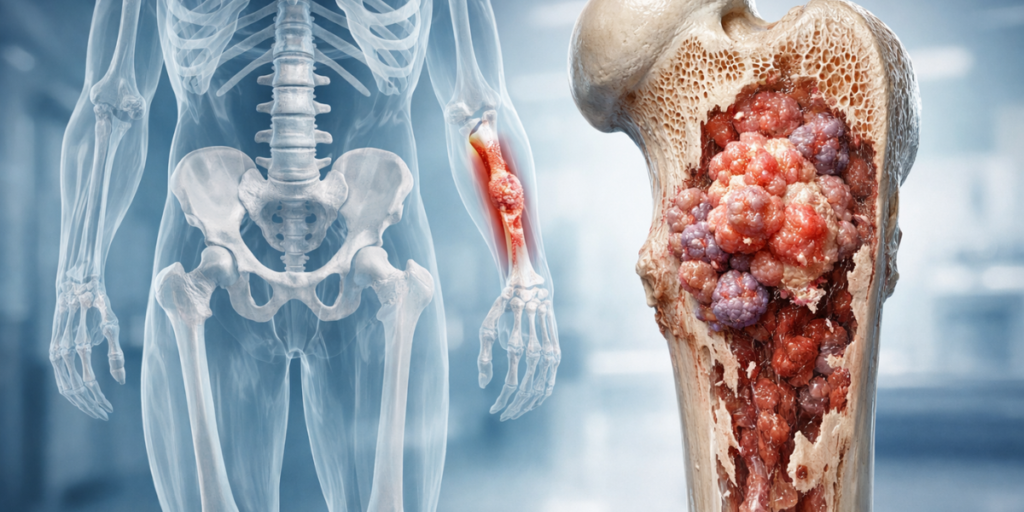
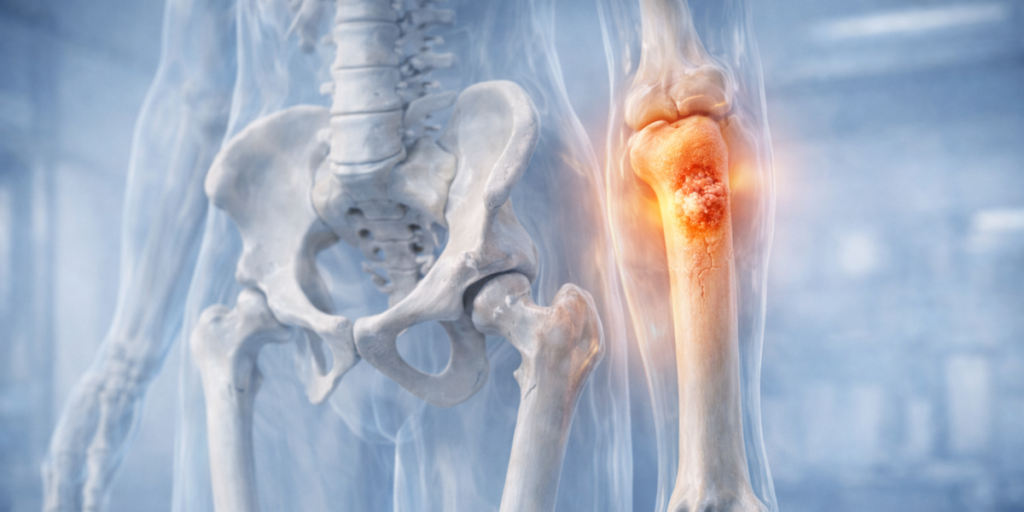
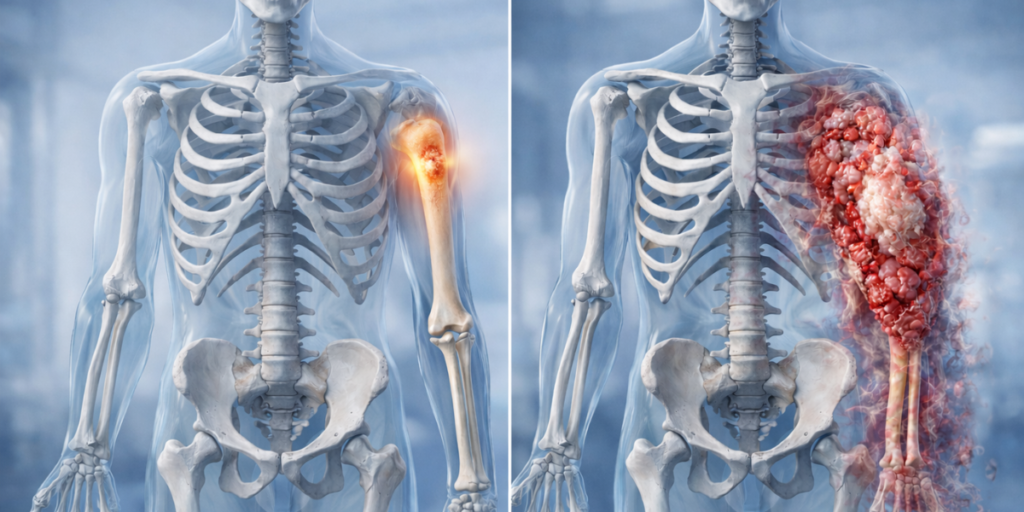
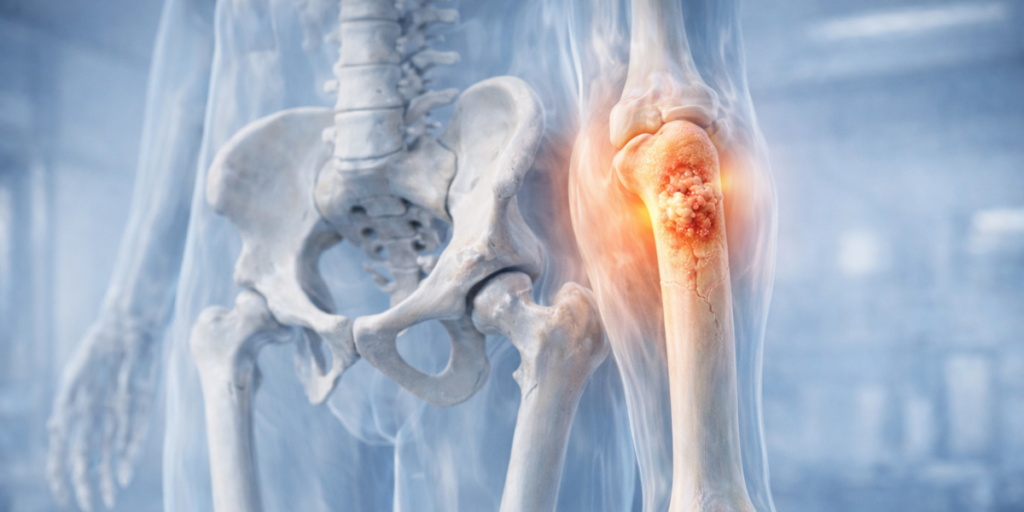
Bone cancer occurs due to uncontrolled growth of abnormal cells in bone tissue. It may be primary bone cancer, which starts in the bone itself, or secondary bone cancer, where cancer spreads to the bone from another organ. Primary bone cancers are rare but require specialized care from an experienced bone cancer specialist in Dehradun.

Types of Primary Bone Cancer

Primary bone cancer includes several types, each with unique characteristics. Osteosarcoma is the most common form and often affects adolescents and young adults. Chondrosarcoma usually occurs in older adults and develops from cartilage cells, while Ewing sarcoma is an aggressive cancer commonly seen in children and teenagers. Correct identification of the type of bone cancer is crucial for effective treatment planning.

Importance of Early Detection

Early detection of bone cancer plays a vital role in successful treatment. When diagnosed at an early stage, the cancer is often localized, allowing for limb salvage surgery and less aggressive treatment. Delayed diagnosis can result in tumor spread, increased complications, and the need for extensive surgery or amputation. Consulting a qualified bone cancer specialist in Dehradun at the first sign of symptoms can make a life-saving difference.

Early Symptoms of Bone Cancer

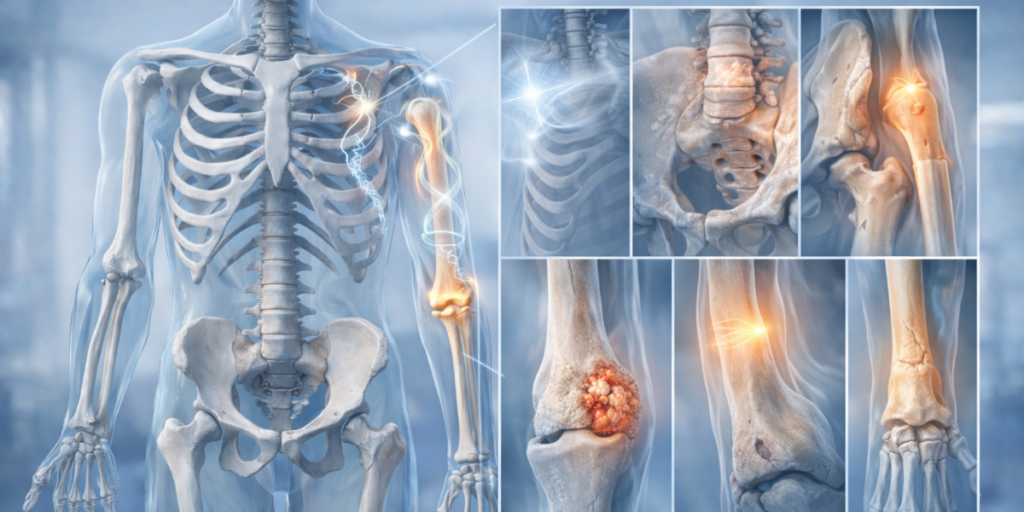
The most common early symptom of bone cancer is persistent bone pain, which may worsen at night or during activity and does not improve with rest. Other warning signs include swelling or a lump near the affected bone, unexplained fractures, reduced joint movement, fatigue, weight loss, or fever. In children, bone cancer may interfere with normal growth.

Bone pain related to cancer is typically progressive and persistent, unlike muscle or joint pain. Swelling may gradually increase as the tumor grows and is often mistaken for injury or inflammation. Recognizing these early signs helps in seeking timely medical attention from a bone cancer expert.

Risk Factors for Bone Cancer

Certain individuals may have a higher risk of developing bone cancer. These include people with genetic conditions, those who have received radiation therapy in the past, and individuals with a family history of cancer. Adolescents undergoing rapid bone growth are also more susceptible to specific types of bone cancer. Awareness of these risk factors supports early screening and monitoring.

Diagnosis of Bone Cancer

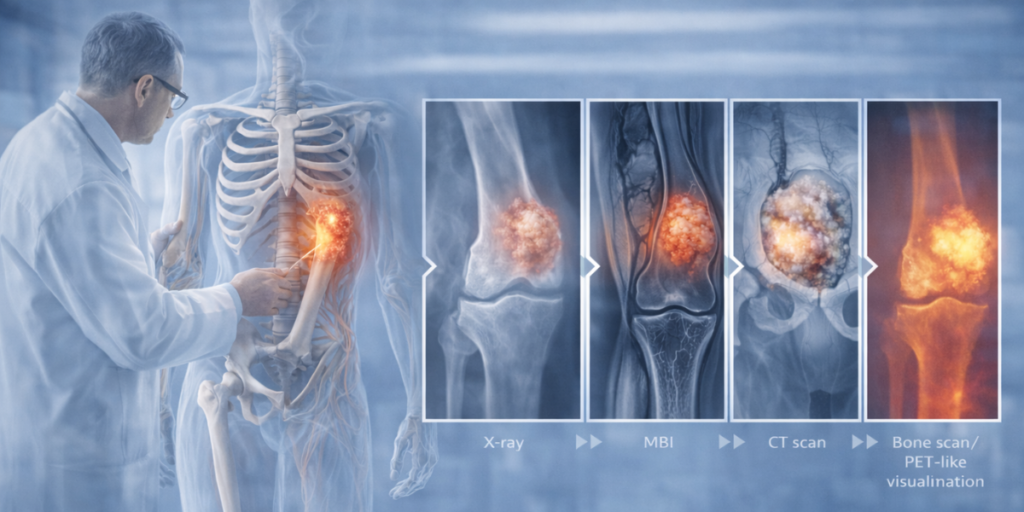
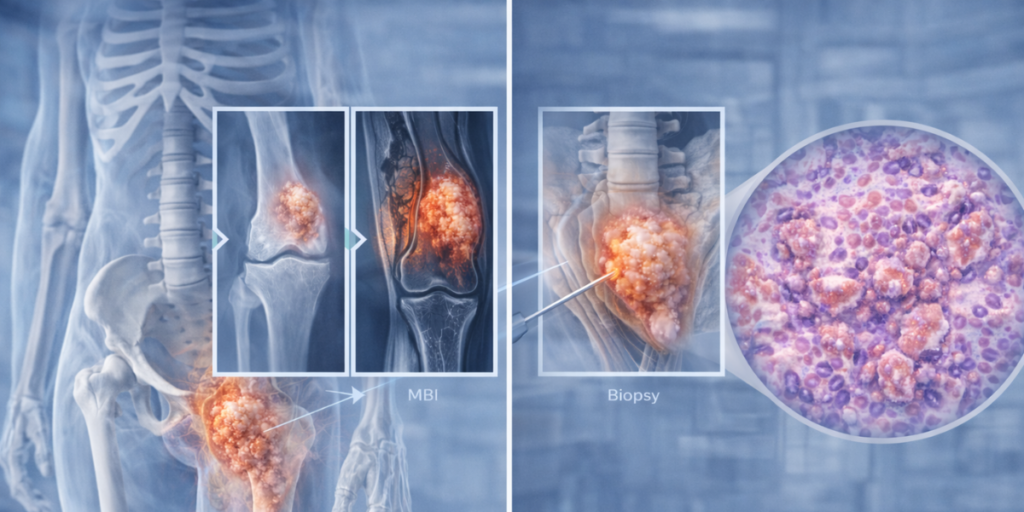
The diagnosis of bone cancer involves a detailed clinical evaluation followed by imaging and laboratory tests. X-rays are usually the first step to identify abnormal bone changes. Advanced imaging such as MRI and CT scans helps determine the size, location, and spread of the tumor. Bone scans or PET scans may be used to assess metastasis.

A biopsy is essential for confirming the diagnosis. During this procedure, a tissue sample is examined to identify the cancer type and grade. Accurate biopsy performed by an experienced orthopedic oncologist is crucial to avoid complications and ensure correct treatment planning.

Advanced Bone Cancer Care in Dehradun

Dehradun has emerged as an important center for advanced bone cancer treatment, offering modern diagnostic facilities, specialized surgical expertise, and multidisciplinary cancer care. Patients now have access to high-quality treatment closer to home under the guidance of an experienced bone cancer specialist in Dehradun.

Bone Cancer Treatment by Dr. Narendra Singh Butola

Dr. Narendra Singh Butola is a highly respected Orthopaedic Oncologist and Sarcoma Specialist and is recognized as the first dedicated bone cancer specialist in Uttarakhand. He specializes in the management of complex bone and soft tissue tumors with a strong focus on limb preservation and patient-centric care.

Professional Profile:

  • Orthopaedic Oncologist & Sarcoma Specialist
  • Expertise in bone cancer, soft tissue tumors, and limb salvage surgery
  • Consultant at Graphic Era Institute of Medical Sciences
  • Location: Chakrata Road, Dhulkot, Dehradun, Uttarakhand

Facilities Offered for Bone Cancer Treatment in Dehradun

Under the care of Dr. Narendra Singh Butola, patients receive comprehensive and advanced bone cancer treatment, including:

  • Accurate diagnosis of bone and soft tissue tumors
  • Limb salvage surgery to avoid amputation whenever possible
  • Multidisciplinary cancer care approach
  • Personalized treatment planning
  • Post-surgical rehabilitation and long-term follow-up

Choosing a dedicated bone cancer specialist in Dehradun ensures precision, safety, and better long-term outcomes.

Conclusion

Understanding bone cancer, recognizing early symptoms, and seeking timely diagnosis are key to successful treatment. Persistent bone pain, swelling, or unexplained fractures should never be ignored. Early consultation with a qualified bone cancer specialist improves survival rates and allows for limb-preserving treatment options.

With advanced bone cancer care available in Dehradun, patients can receive expert treatment close to home. Under the guidance of Dr. Narendra Singh Butola at Graphic Era Institute of Medical Sciences, patients benefit from compassionate, advanced, and evidence-based care. Early awareness and specialist consultation remain the strongest weapons against bone cancer.